 OurGuests
Rental Property Management in India: A Complete Guide for Landlords
Rental property management can be challenging for landlords and PG owners. Learn how to manage tenants, collect rent, track payments and simplify property operations using digital tools.
· 8 min read
In this article
- Rental Property Management in India: A Complete Guide for Landlords and PG Owners
- 1. What Is Rental Property Management?
- 2. Common Challenges Faced by Indian Landlords
- Managing Monthly Rent Collections
- Maintaining Tenant Records
- Managing Security Deposits
- Handling Maintenance Requests
- Tracking Electricity and Utility Charges
- 3. How to Manage Rental Properties Efficiently
- Step 1: Maintain Property-Wise Records
- Step 2: Organise Tenant Information
- Step 3: Track Rent Payments Every Month
- Step 4: Record Maintenance Activities
- Step 5: Maintain Electricity Records
- Step 6: Review Property Finances Regularly
- 4. Why PG Management Requires a Different Approach
- 5. Manual Property Management vs Digital Property Management
- 6. What Should You Look for in Property Management Software?
- 7. How OurGuests Helps Simplify Property Management
- Property Management
- Tenant Management
- Rent and Payment Tracking
- Security Deposit Records
- Electricity Management
- Maintenance Management
- Payment History
- 8. The Future of Rental Property Management in India
- Conclusion
Rental Property Management in India: A Complete Guide for Landlords and PG Owners
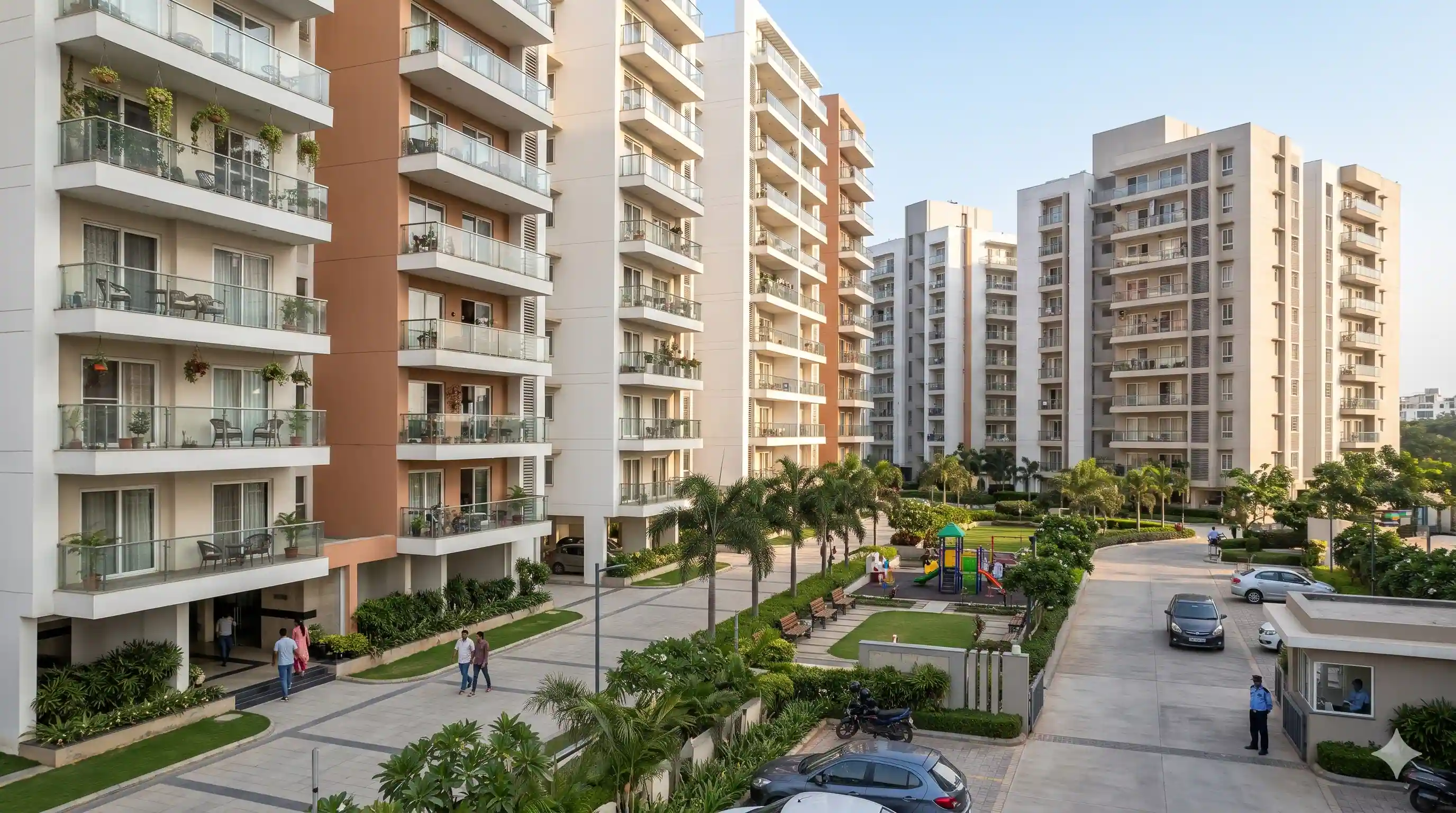
Managing a rental property is more than finding tenants and collecting rent every month. It involves handling tenant information, tracking payments, managing security deposits, resolving maintenance requests and keeping property records organised.
For landlords managing multiple properties or PG accommodations, these responsibilities can quickly become difficult to handle.
Many property owners still depend on WhatsApp messages, notebooks, phone calls and Excel spreadsheets to manage their rental operations. While these methods may work initially, they become less efficient as the number of tenants and properties increases.
This is where digital property management can make a difference.
In this guide, we explore the common challenges of rental property management in India, practical ways to manage properties more efficiently and how technology can simplify everyday responsibilities for landlords and PG owners.
1. What Is Rental Property Management?
Rental property management refers to the process of managing residential properties and handling all activities related to tenants, rent collection, maintenance and property operations.
It applies to different types of rental arrangements, including:
- Residential apartments and flats.
- Independent houses.
- Multiple rental properties.
- Paying guest (PG) accommodations.
- Shared rental housing.
A landlord may manage these activities independently or work with a property manager.
The main objective is to keep the property properly maintained, ensure timely rent collection and provide tenants with a smooth rental experience.
2. Common Challenges Faced by Indian Landlords
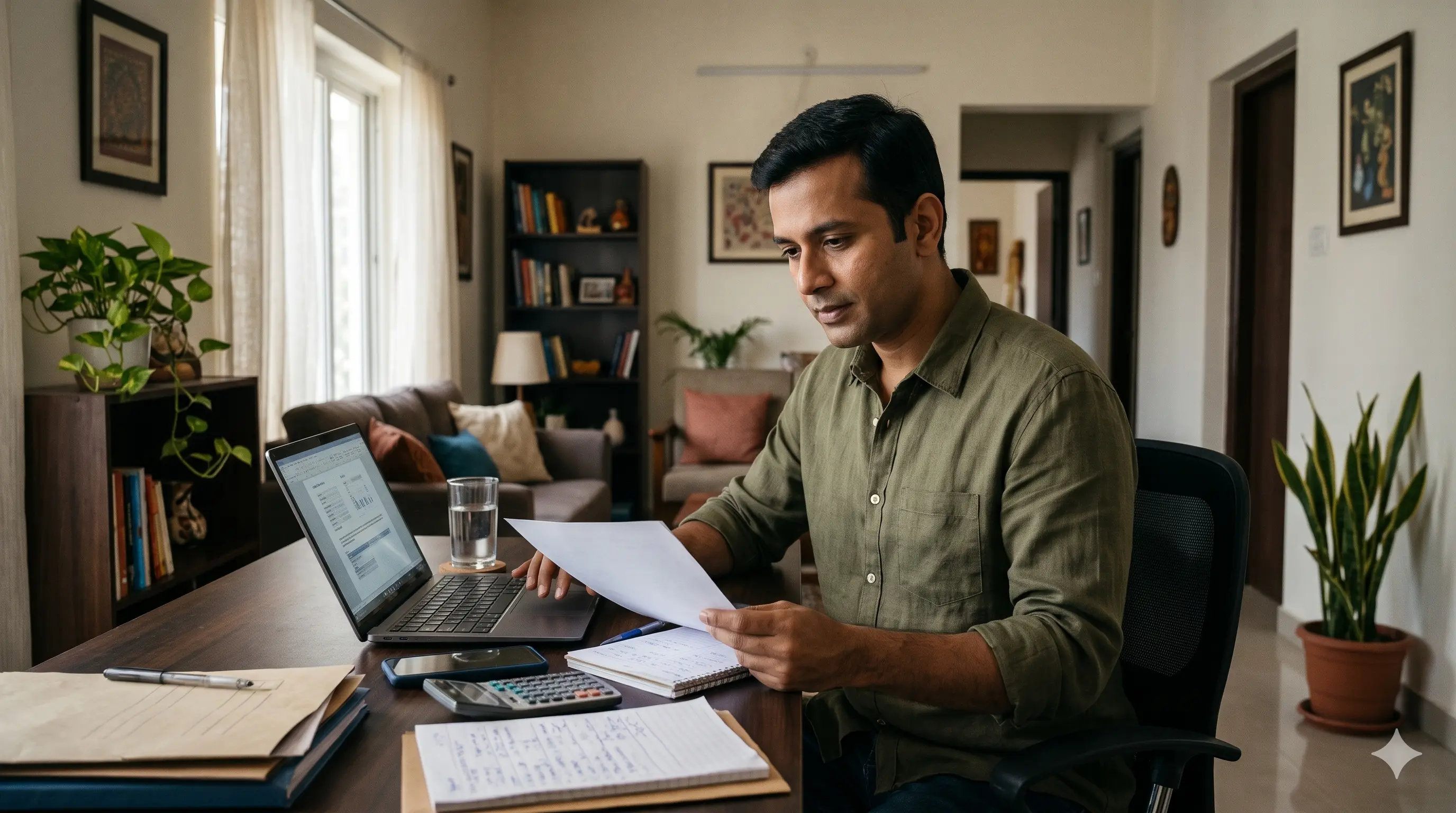
Managing one or two tenants may seem straightforward. However, the process becomes more complicated when landlords handle multiple rooms, properties or rental agreements.
Here are some common challenges.
Managing Monthly Rent Collections
Tracking rent payments is one of the most important responsibilities of a landlord.
Property owners need to know which tenants have paid, who has pending dues and how much rent remains outstanding.
When payment records are maintained manually, it becomes difficult to get an accurate picture of monthly collections.
A structured rent tracking system helps landlords maintain payment records and monitor outstanding amounts.
Maintaining Tenant Records

Tenant information includes names, contact details, move-in dates, room allocations, rent amounts and security deposits.
Keeping these details in different files or spreadsheets can create confusion.
Maintaining a centralised tenant database makes it easier to access important information whenever required.
Managing Security Deposits
Security deposits are an important part of rental arrangements.
Landlords need to maintain accurate records of deposits received, adjustments made and amounts returned during tenant move-outs.
Clear documentation helps reduce misunderstandings and improves transparency.
Handling Maintenance Requests
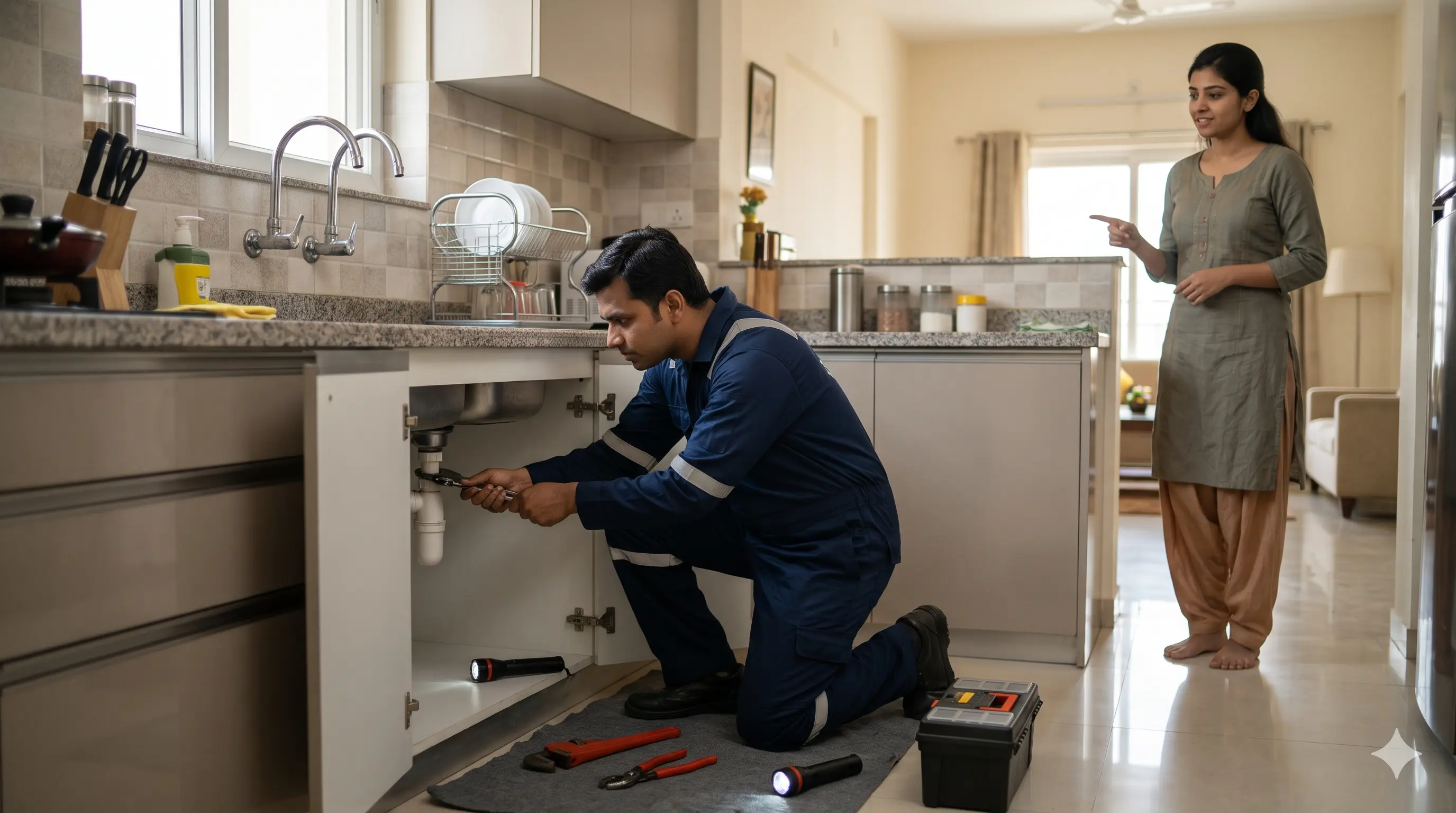
Plumbing issues, electrical problems, water supply interruptions and appliance repairs are common in rental properties.
When tenants report these issues through different WhatsApp conversations or phone calls, requests can easily be missed.
A structured maintenance tracking process helps landlords record requests and monitor their progress.
Tracking Electricity and Utility Charges
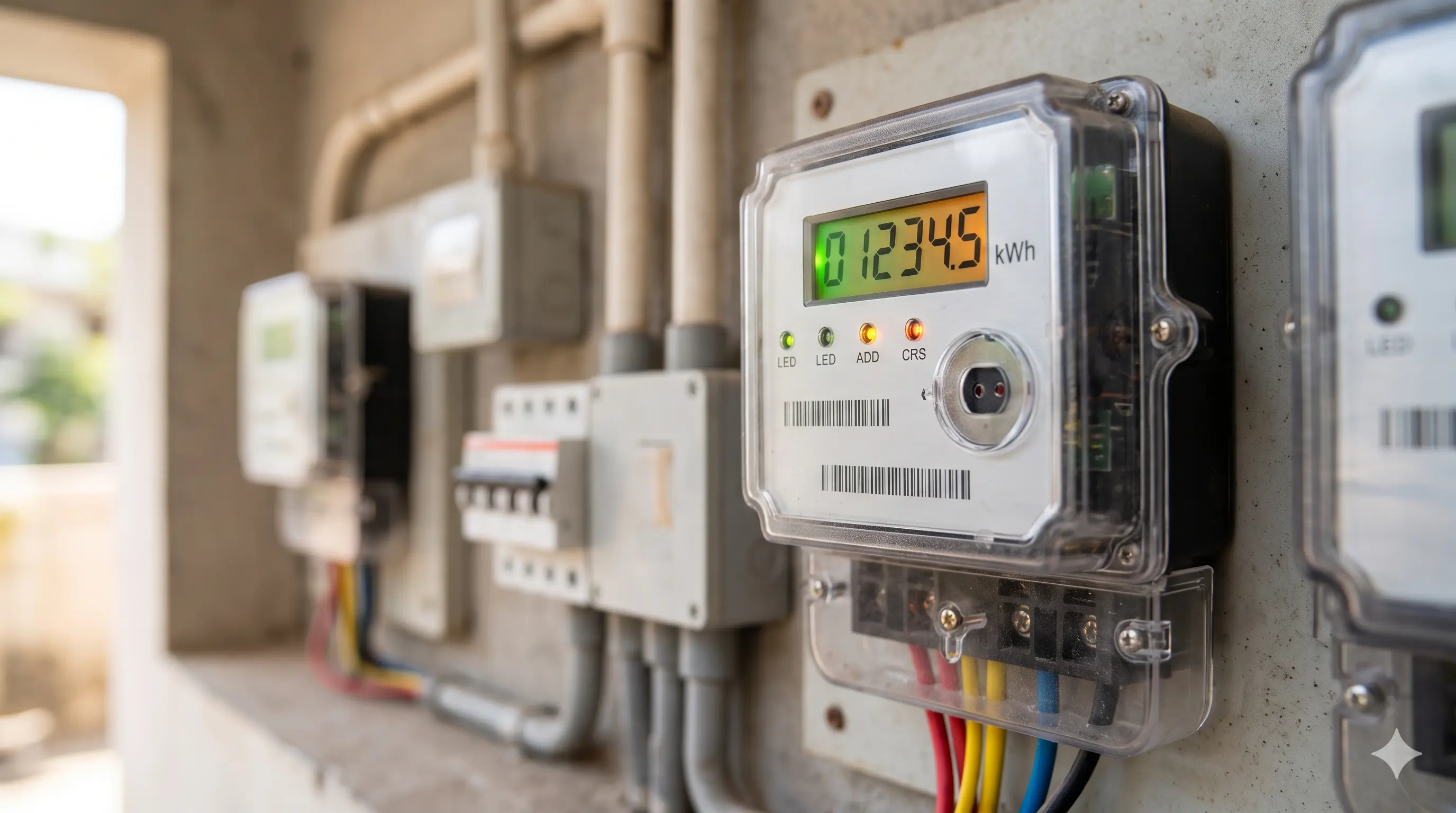
In many PG accommodations and shared rental properties, electricity charges are calculated separately.
Landlords may need to record meter readings, calculate consumption and divide charges among tenants.
This becomes especially challenging when tenants move in or move out during a billing period.
Maintaining accurate meter readings and occupancy records helps make these calculations more transparent.
3. How to Manage Rental Properties Efficiently
A good property management process does not need to be complicated. The key is to organise important activities and maintain consistent records.
Here are some practical steps.
Step 1: Maintain Property-Wise Records
Keep separate records for each property, including its address, room details, rental arrangements and occupancy information.
For landlords managing multiple properties, property-wise organisation makes daily operations easier.
Step 2: Organise Tenant Information
Maintain updated tenant records, including contact details, room allocation, rental amount, move-in date and deposit information.
Make sure changes such as room transfers and tenant move-outs are recorded properly.
Step 3: Track Rent Payments Every Month
Maintain a monthly record of rent due, payments received and outstanding balances.
Avoid depending only on bank notifications or WhatsApp messages as proof of payment.
A proper payment history helps landlords understand their rental income and follow up on pending payments.
Step 4: Record Maintenance Activities
Create a process for receiving, recording and resolving tenant complaints.
Maintain details such as the reported issue, date, responsible person, expenses and resolution status.
Step 5: Maintain Electricity Records
For properties with individual or shared electricity meters, record meter readings regularly.
Maintain a clear calculation of electricity consumption and the charges assigned to each tenant.
Step 6: Review Property Finances Regularly
Review monthly rent collections, outstanding payments, maintenance expenses and utility charges.
A monthly financial review helps landlords understand how their rental properties are performing.
4. Why PG Management Requires a Different Approach
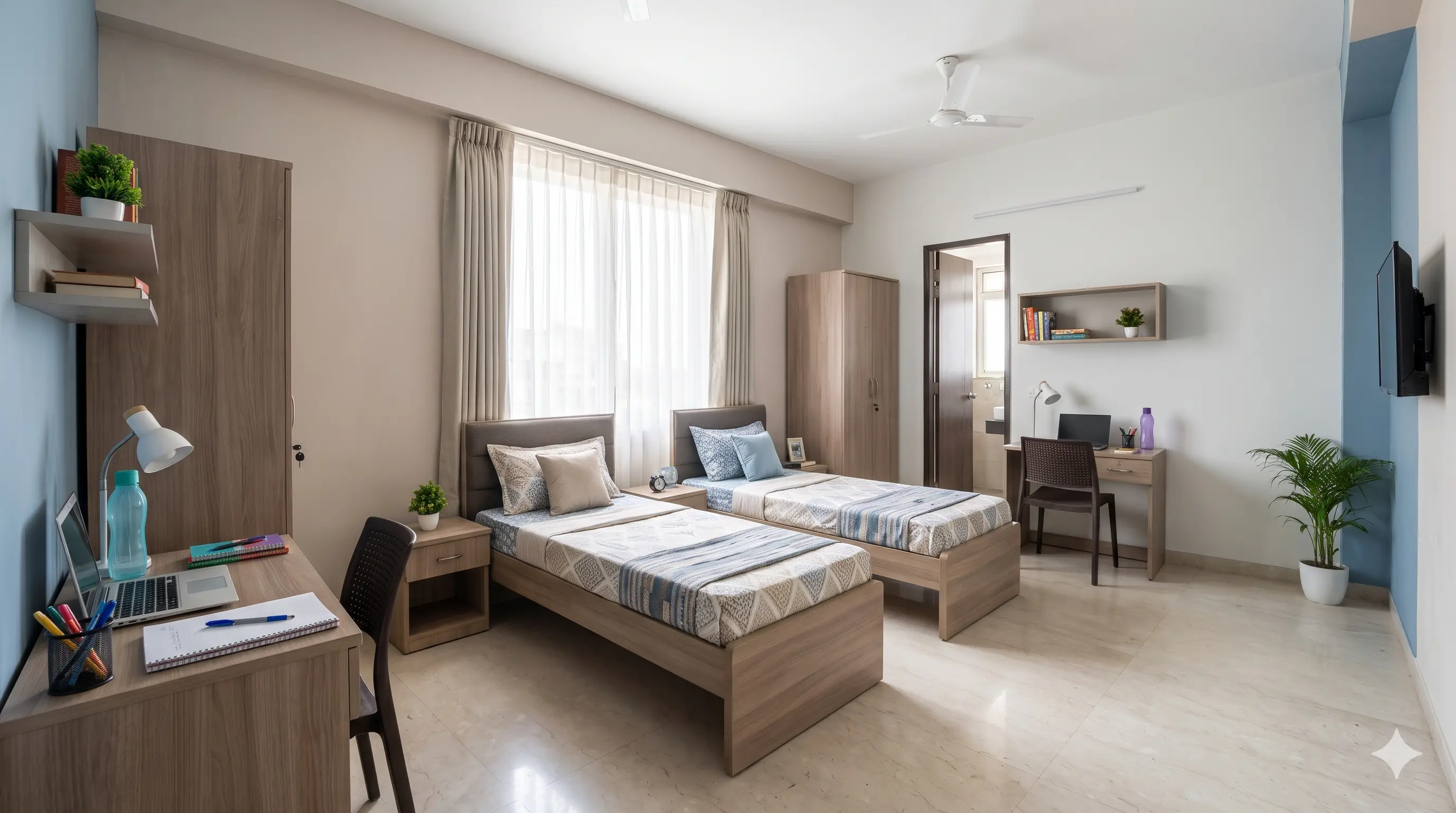
Managing a PG accommodation is often more complicated than managing a traditional rental apartment.
A PG owner may have several rooms, multiple beds in each room and tenants with different joining and leaving dates.
For example, consider a PG with ten rooms and twenty tenants.
Some tenants may have lived there for several months, while others may have joined recently. Each tenant may have a different rental arrangement, deposit amount and electricity billing period.
The owner must manage:
- Room and bed allocation.
- Tenant onboarding and move-outs.
- Monthly rent collection.
- Security deposits.
- Shared electricity bills.
- Maintenance requests.
- Tenant communication.
- Payment records.
Using manual spreadsheets for all these activities can become time-consuming.
A dedicated PG management system helps owners organise room occupancy, tenant information, payments and other operational records.
5. Manual Property Management vs Digital Property Management
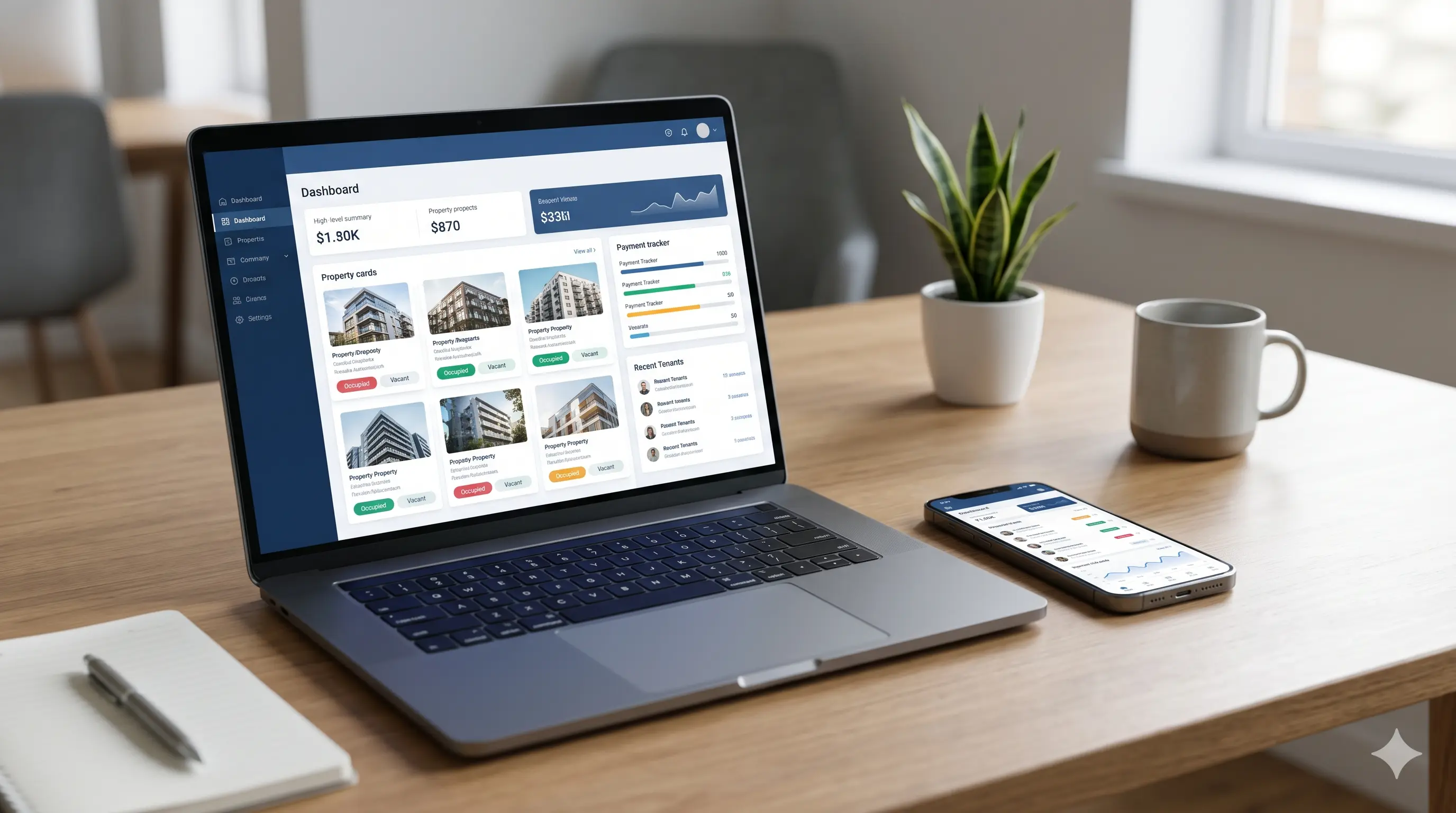
Many landlords begin with notebooks and spreadsheets because they are familiar and easy to use.
However, digital systems offer several advantages as rental operations grow.
| Activity | Manual approach | Digital approach |
|---|---|---|
| Tenant records | Separate files | Centralised records |
| Rent tracking | Manual calculations | Organised payment tracking |
| Outstanding dues | Repeated checking | Easier monitoring |
| Payment history | Bank messages and notebooks | Structured transaction records |
| Maintenance | WhatsApp and phone calls | Organised request tracking |
| Electricity | Manual calculations | Recorded meter readings |
| Property details | Multiple spreadsheets | Centralised property records |
Digital property management does not eliminate every responsibility of a landlord. However, it can reduce repetitive administrative work and improve record keeping.
6. What Should You Look for in Property Management Software?
Choosing the right property management software depends on the type and scale of your rental operations.
Before selecting a platform, consider the following features.
Property and Room Management: The ability to organise multiple properties, rooms and occupancy details.
Tenant Management: A central place to maintain tenant information and rental details.
Rent Collection Tracking: Tools to record payments, monitor outstanding dues and review monthly collections.
Security Deposit Management: Proper records of deposits received and adjustments.
Maintenance Management: A way to organise tenant requests and maintenance activities.
Electricity Management: Support for recording meter readings and calculating utility-related charges.
Payment History: A clear record of financial transactions.
Ease of Use: The platform should be simple enough for landlords and property managers to use regularly.
It is also important to consider pricing, data security, accessibility and the ability to manage operations from a smartphone.
7. How OurGuests Helps Simplify Property Management
OurGuests is a rental and property management platform designed for landlords, PG owners and property managers in India.
The platform aims to bring important rental management activities together, reducing the need to maintain scattered records across multiple tools.
With OurGuests, property owners can organise several aspects of their rental operations.
Property Management
Manage property details, rooms and occupancy information from a centralised platform.
Tenant Management
Maintain tenant information, rental details and room allocation records.
Rent and Payment Tracking
Track monthly rent, record payments and monitor outstanding balances.
Security Deposit Records
Maintain information about tenant deposits and related payment records.
Electricity Management
Record meter readings and organise electricity-related charges.
Maintenance Management
Keep tenant maintenance requests and property-related issues organised.
Payment History
Maintain structured records of rental transactions and payments.
Whether you manage a single apartment, multiple rental properties or a PG accommodation, having these activities organised in one platform can make everyday management easier.
Explore the platform at OurGuests.in.
8. The Future of Rental Property Management in India
The rental housing market in India continues to evolve.
As more people invest in rental properties and PG accommodations, the responsibilities of property owners are also changing.
Landlords increasingly need better ways to manage tenant information, collect rent, track payments and maintain their properties.
Technology can play an important role in this transformation.
Digital property management platforms can help landlords move away from scattered records towards more organised and transparent rental operations.
The objective is not simply to automate rent collection. It is to improve the entire process of managing rental properties.
Conclusion
Managing rental properties requires consistent attention to tenants, payments, maintenance and financial records.
While manual methods may work for a small number of tenants, they can become difficult to maintain as rental operations grow.
Organising property information, maintaining accurate payment records and using digital tools can help landlords save time and manage their properties more efficiently.
For landlords and PG owners looking to simplify these activities, OurGuests offers a centralised approach to rental and property management.
Explore OurGuests and discover a simpler way to manage your rental properties.
OurGuests - Better Property Management Starts Here.
Related articles
Rental Management
Why I Built OurGuests: Ending the Chaos of Running PGs & Rentals in India
Managing rental housing shouldn't mean messy diaries, WhatsApp disputes, and manual math. Here’s why we built OurGuests to bring clarity to Indian PGs and rentals.
· 5 min read

Rental Management
Bringing Light & Clarity to Indian Rentals: A Choti Diwali Note from OurGuests
This Choti Diwali, we’re clearing the clutter of messy registers and disputed bills to bring transparency and peace of mind to India’s PGs and rentals.
· 3 min read